

Industrial workplaces in India involve high-risk activities such as working at height, operating machinery, handling heavy loads, and managing electrical and fire hazards. Every year, a large number of workplace accidents occur due to lack of proper safety awareness and training.
Safety training is not just a best practice—it is a legal and operational requirement under Indian safety laws. This blog explains why safety training is mandatory for industrial workers, what the law says, who needs it, and how CESL Training helps organizations meet compliance and protect their workforce.
What Is Safety Training?
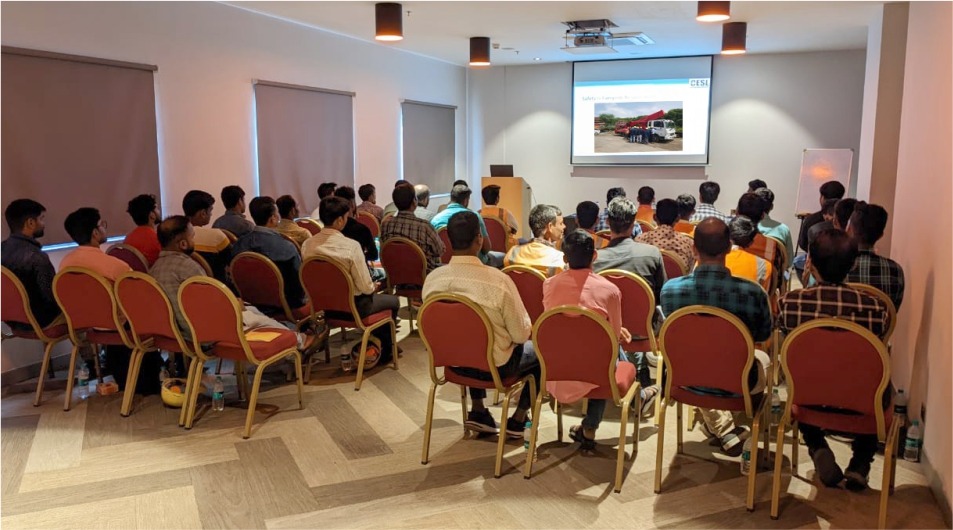
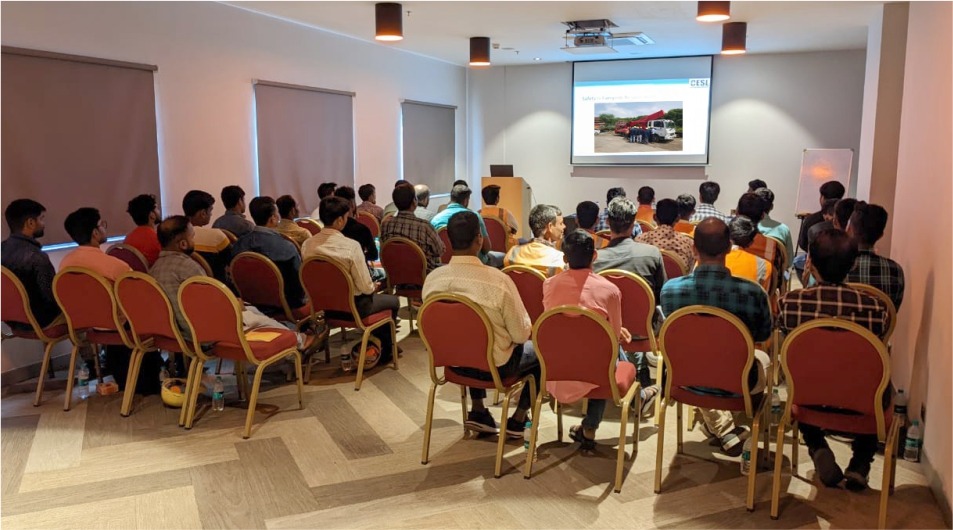
Safety training is a structured learning program designed to educate workers on identifying workplace hazards, following safe work practices, using protective equipment correctly, and responding effectively during emergencies.
Safety training helps workers:
- Understand job-related risks
- Prevent accidents and injuries
- Follow legal safety requirements
- Work confidently and responsibly
Why Is Safety Training Mandatory in India?
Safety training is mandatory because industrial work environments expose workers to serious hazards that can result in injury, disability, or death if not properly managed.
Key reasons safety training is compulsory:
- High rate of industrial accidents
- Legal responsibility of employers
- Protection of worker health and life
- Reduction in downtime and compensation costs
- Compliance with statutory safety audits
Without proper training, even experienced workers are at risk.
Legal Requirements for Safety Training in India
Indian safety regulations clearly define the employer’s responsibility to provide safety training. Key laws include:
- The Factories Act, 1948
- Building and Other Construction Workers (BOCW) Act
- State Factory Rules
- Indian Standards and international best practices (OSHA, EN standards)
Employers must ensure workers are trained before assigning them to hazardous tasks.
Types of Safety Training Required in Industries
Depending on job role and risk exposure, industrial workers may require training such as:
- Work at Height Training
- GWO Basic Safety Training (for wind sector)
- MEWP Operator Training
- Fire Awareness & Fire Fighting Training
- Manual Handling Training
- First Aid Training
CESL Training provides role-specific safety programs based on industry needs.
Who Needs Safety Training?
Safety training is mandatory for:
- Industrial workers
- Technicians and operators
- Supervisors and safety officers
- Contract and temporary workers
- Maintenance and shutdown teams
Any person exposed to workplace hazards must receive appropriate safety training.
Benefits of Safety Training for Organizations
Proper safety training helps organizations:
- Reduce workplace accidents
- Improve productivity and morale
- Ensure legal compliance
- Avoid penalties and shutdowns
- Build a strong safety culture
Safety training is an investment in people and business continuity.
Why Choose CESL Training for Industrial Safety Training?
CESL Training is an ISO-certified safety training provider delivering professional safety programs across India.
CESL Training advantages:
- Experienced industry trainers
- Practical, hands-on training approach
- Compliance with Indian and international standards
- Training facilities in Chennai & Delhi
- PAN-India onsite training delivery
CESL focuses on practical safety, compliance, and workforce readiness.
Enquire About Industrial Safety Training with CESL Training
Speak to a Safety Expert Today
Conclusion:
Safety training is a legal requirement and a critical part of safe industrial operations in India. It helps reduce accidents, ensure compliance, and protect workers from avoidable risks. With certified, practical training programs, CESL Training enables organizations to meet statutory requirements while building a safer and more responsible workforce
FAQs
Is safety training mandatory for all industrial workers in India?
Yes. Indian safety laws require employers to provide safety training to workers exposed to hazards.
Which law mandates safety training in factories?
The Factories Act, 1948 mandates safety measures and worker training in factories.
Does safety training reduce workplace accidents?
Yes. Proper training significantly reduces accidents, injuries, and unsafe practices.
Can CESL Training provide onsite safety training?
Yes. CESL Training offers onsite and customized safety training across India.